Categories
Selected Articles

I asked my mom to babysit my 2 kids while my husband and I went away. She’d never watched them before, but it was good for everyone.

A woman playing with her grandkids.
The author’s mother (not pictured) watched her kids while she and her husband went on a trip to Seattle.

  • My mother-in-law planned to watch our kids while my husband and I went away, but something came up.
  • Our only option was to ask my mom, but she’s never watched the kids on her own before.
  • I was nervous, but she did a great job with them, and I’m glad they got the time together.

This past September, my husband and I planned a four-day trip to Seattle — partly for work, partly for play. We rarely get away without our 3- and 5-year-olds in tow. As the week of our trip approached, my mother-in-law, who had agreed to stay and watch our girls while we were away, had to shift her plans unexpectedly, and so, with our nonrefundable plane tickets in mind and a body full of nerves, I decided to reach out to our next best option: my mom.

My relationship with my mom has changed over the years

Now, let’s lay down some facts: my mother has never watched our children for an extended period, either alone or with her new husband. She lives more than five hours away from us and still works, so when we visit during the summer or for the holidays, my whole family often stays for a week to try to maximize our time with her.

Our relationship has also changed dramatically in the last 10 years. Losing my little brother to suicide and then weathering my parents’ tumultuous divorce were difficult for us both, and it weakened our bond. Then, the pandemic coincided with early motherhood, which I experienced in isolation. All of these things were contributing factors to the dissipation of our once Gilmore Girls-like closeness.

We used to talk on the phone daily, catching up on life as I went into or left work; in recent years, though, our catch-ups have morphed into sparse calls and texts, weeks or even months apart. Of course, I’ve grieved all the changes — all the loss — heavily, as I’m sure she has. But one thing that parenthood has taught me is that there is always room for repair — there is always room for more love.

Though I was nervous, I knew my mom would take good care of the kids

So even though I was nervous about asking my mother to watch our small children for a few days, I knew deep down in my heart that they’d be fine — they’d be loved and fed and cared for, just as I was as a child. The real questions were: What would become of us after yet another test of our fractured relationship? What would become of me after?

A large source of my apprehension was that my mom’s life looks very different from ours — different seasons, different strokes. To ease my anxiety and worry, I created a thorough guide of our daily schedule, which included details such as when we woke up, ate, and went to sleep, among other things. When I walked my mom through all of this, I was taken aback by how readily she accepted the information and respected my decision to keep them in school while we were away.

While we were away, I resisted the urge to call or text often. I wanted to be mindful and intentional about what this time signified and respect the importance of it — not only the time she was getting with my kids, but the shift in my relationship with her, as well. Daily, I’d exchange a text or two with her to hear how the morning or evening went, and on the last day of our trip, we video-called the girls to let them know we were coming home the next day.

Without my asking, though, my mom would send photos daily — sometimes hourly — of their afternoon adventures, which included ice cream shop visits, playground escapades, and home-play shenanigans — and smiles. Oh, the smiles! I found that by letting go of my worry, I was able to be more present with my husband and enjoy the time away. Based on my 5-year-old’s report upon our return home, my mom followed all the rules for the most part — except for a slightly later bedtime on their final night together.

My mom is a house cleaner and works hard, very hard. I wanted this rare time to feel like a vacation, a gift, to her — a nice break from her labor-intensive job. I also wanted her to get a real glimpse into our lives. She doesn’t get to see that often, and she doesn’t get to see the fruits of her labor as a mother herself often either — I hoped to show her all the good that she had a hand in producing, even if that hand was imperfect.

It’s difficult to trust a parent when many things in life happen to erode that trust — albeit, in our situation, the things that occurred were largely unintentional and out of her control. I can see that bigger picture now that I’m an adult and parent myself.

We can’t change the past; we can only move forward. And sometimes, moving forward looks a lot like offering an olive branch — an acceptance of the past, a focus on the present, and a hope for a happier, healthier future, one where I call her more often to reconnect and one where I ask her if she’d like to come watch the girls again on our next trip.

Read the original article on Business Insider
Categories
Selected Articles

Winter Storm Warning As 20 Inches of Snow To Strike

Heavy snowfall is expected to make roads slippery and dangerous—especially during the morning and evening commutes.
Categories
Selected Articles

Visitors to a New Jersey zoo get to watch veterinarians treat the animals

Visitors to a New Jersey zoo get to watch veterinarians treat the animals [deltaMinutes] mins ago Now
Categories
Selected Articles

Former Prince Andrew Scrubbed From War Plaques

Andrew Mountbatten-Windsor fought in the Falklands War, but plaques in his honor have been removed from the British territory.
Categories
Selected Articles

Russia Pushing for Early Trump-Putin Meeting

A previous proposed Trump-Putin summit in Hungary was scrapped.
Categories
Selected Articles

Miranda Devine: FBI, Secret Service butchered the Thomas Crooks case and invited conspiracies – we deserve the truth

How was Trump’s shooter radicalized – and did the feds tell whole story?
Categories
Selected Articles

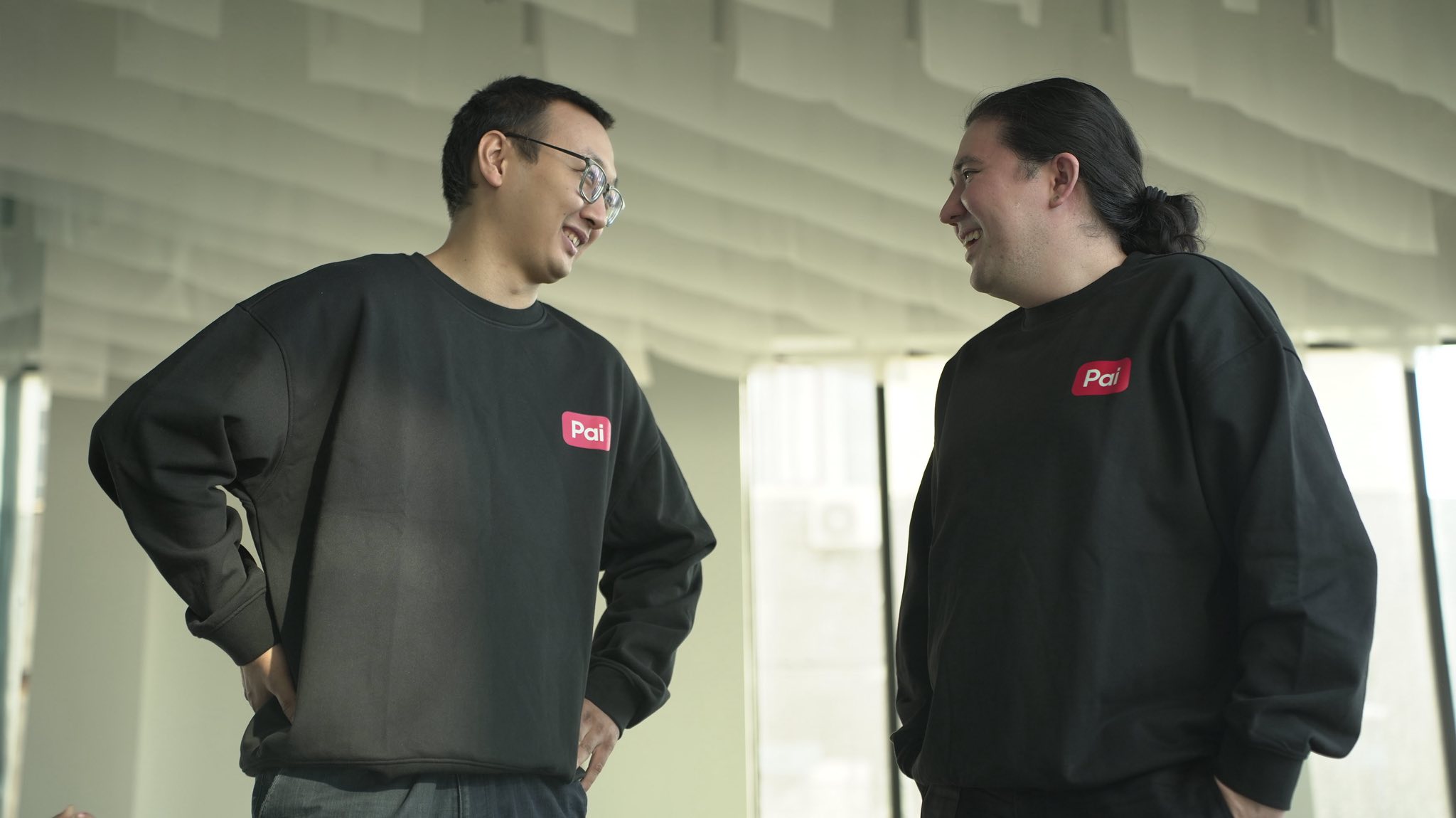
How Kyrgyzstan’s Fastest-Growing Restaurant Tech Startup Is Revolutionizing Dining

Bishkek has long been known for its vibrant restaurant scene. Now the sector is implementing innovations, making the lives of its customers even easier. Meet Pai, the Kyrgyz startup serving as a digital concierge between restaurants and their customers.

“In Kazakhstan, I saw a product where you could pay your bill right at your table with two taps and leave without interacting with the staff. That’s when I realized you could build a whole world around this, turning every interaction between a guest and an establishment into a digital experience,” says Ehrlan Zholdosh, CEO and Co-Founder of Pai.

Zholdosh is not a newcomer to the industry; his experience in product design and management in Eastern Europe and the Middle East was an asset when launching his own company, Pai.

Old Habits Die Hard
 It’s a universal restaurant experience around the globe when you’re done with your meal and ready for the check – it can take an age to come, and that’s if you can find waitstaff in the first place. Now, with Pai, which essentially turns every table into a payment terminal, this process has been streamlined to the point where it takes only seconds to pay and even leave a tip.

The very first MVP (minimum viable product) was launched in Mar 2024. This is when Aibek Nogoev joined as a Co-Founder to completely overhaul the technical side of the product. The co-founder’s team has complementary skillsets — the third Co-Founder, Kairygul Kalbaeva, has over ten years of experience in the restaurant business, which came in handy when onboarding the first customers, as she understands how restaurants operate inside out.

As for the Pai team, the majority of its members were hired in ololoPlanet, one of the locations of ololo, the largest chain of tech hubs in Central Asia, where Pai has its offices.

Apart from enabling customers to pay faster and more smoothly, Pai aims to build a restaurant super-app that integrates with the ERP systems restaurants use, including customizable loyalty programs. Another strategic benefit for restaurants using Pai is a non-invasive way to collect user data.

The Snowball Effect

In September, Pai won first place in the country’s largest hackathon, Startup Nation. It may have been tough to onboard customers at the beginning of Pai’s journey, but now there are over 70 active restaurants and more than 100 in the waitlist, with hundreds of thousands of users and a daily turnover in excess of $20,000.

Recent changes to Kyrgyz tax legislation linked to the efforts to make the restaurant industry less opaque have been a massive boost as well. The authorities are trying to combat the shadow economy, pushing businesses, including restaurants, to become significantly more transparent, and many in the restaurant industry see Pai as the best solution. Its customer base now includes the majority of the largest restaurant chains in the Kyrgyz Republic, including global franchises.

The key challenge lies in its integration with ERP systems, which delivery services usually don’t integrate with. Pai has plans to expand its services to ultimately allow users to not only pay and receive rewards, but to enjoy new features, including ordering delivery and leaving reviews.

On the Way to Regional Expansion

Now, with domination within the Kyrgyz market and seven cities covered, Pai has ambitions beyond its home country and is looking to expand, starting with neighboring Kazakhstan, which offers a much larger market.

“Inspired by the words of PayPal’s founder, our product moved from zero to one by creating an innovative solution in a field lacking a standardized user experience or a monopoly, especially in a globalized world. Our first goal is to make requesting the bill from a waiter as obsolete as ordering a taxi via a phone call, and then build a new tech industry around restaurant services,” says Zholdosh.

Categories
Selected Articles

Charlotte Mensah’s Creative Passions Fuel the Soul of London’s Hair Lounge

Celebrity hairstylist Charlotte Mensah tells Newsweek how she found Manketti oil and why she brought it to the luxury market.
Categories
Selected Articles

The weird places hair can start growing in your 40s and 50s — and the best ways to get rid of it

As if your 40s weren’t maddening enough, your hair starts having its own midlife crisis — graying, thinning and popping up in the oddest places.
Categories
Selected Articles

Novak Djokovic is winning titles at 38. He credits his longevity to 3 simple things.

Novak Djokovic of Serbia celebrates after winning against Nuno Borges of Portugal during the Hellenic Championship ATP 250.
Novak Djokovic celebrates after winning during the Hellenic Championship in November 2025.

  • Novak Djokovic, 38, is still at the top of the men’s tennis game.
  • He told Business Insider he credits his longevity to three lifestyle changes.
  • Djokovic focuses on the basics and working out what’s right for him.

For a long time, men’s tennis was dominated by “the big three”: Roger Federer, Rafael Nadal, and Novak Djokovic. But while Federer and Nadal have retired, Djokovic is still going — and giving younger players a run for their money.

At 38, Djokovic plays in Grand Slams alongside the next generation of men’s tennis stars, including 22-year-old Carlos Alcaraz, Jannik Sinner, 24, and Taylor Fritz, 28. And they’re yet to break his 428-week streak as World No. 1 in the ATP rankings.

Djokovic has a physical (read: exhausting) style of play, and the Serbian “very much” credits his famously disciplined diet — no dairy, gluten, or refined sugar — for his energy, longevity, and resilience.

“I wouldn’t say it is the sole thing standing as the secret of my success, but it’s right up there,” Djokovic told Business Insider.

But the 24-time Grand Slam Champion and Olympic gold medallist is very much an advocate of finding what works for you, rather than being prescriptive.

He said he has learned the benefits of eating whole foods and understanding how produce is sourced and prepared, as well as the importance of managing sleep, stress, emotions, hydration — “all of these aspects of wellness and wellbeing.”

“But there’s no such thing as perfection,” Djokovic said, “and I think if you tick all the boxes, then you enrich your life and you feel better, whether it’s in your private life or professional life.”

The next step in achieving longevity is working out how those basics apply to your body, lifestyle, and needs, he said, then you can start tweaking the fine details.

In an interview via Cob, a sorghum snack aimed at those who can’t eat corn that Djokovic co-founded, he shared the lifestyle choices he thinks have kept him on the court.

Novak Djokovic swings a racket on a tennis court.
Novak Djokovic pictured playing in Paris in 2005.

Discovering he’s gluten intolerant

Growing up, Djokovic’s family ran Italian restaurants, so gluten was a huge part of his diet.

When tests showed a gluten intolerance, it was a “big blow,” he said: “I hadn’t even heard of gluten before 2009.”

His doctor advised cutting out sugar and dairy, too.

“Within three months of taking out gluten, dairy, and refined sugar, I felt tremendous change and kind of never looked back,” Djokovic said. “I can have it here and there, but I still do have mild intolerance. So I try to keep to the gluten-free diet as much as I possibly can.”

Breathing and sleeping better

Before he changed his diet, Djokovic struggled with congested sinuses, and he didn’t sleep well, either.

“I had respiratory issues that were affecting my fitness on the court — I was retiring matches early on in my professional career and I didn’t understand why that was the case, because I was always very dedicated,” he said.

Djokovic also struggled with pollen allergies, which made it harder to sleep during certain times of the year. Cutting out gluten and dairy drastically improved his breathing and sleep, which in turn boosted his recovery.

“I instantly felt a huge surge of great energy and vitality,” he said.

It was an upward spiral: “When you are able to breathe properly and you don’t feel like you have a congested air system, then obviously you breathe better, you play better on the court, you have more fitness, more energy, you sleep better,” Djokovic said.

Novak Djokovic holds the gold medal he won at the Paris 2024 Olympics.
Novak Djokovic won a gold medal at the Paris 2024 Olympics.

Prioritizing emotional health

Working on the mental and emotional side of performance is, Djokovic said, “a never-ending process.”

But he has worked to learn more about himself and improve his personal relationships, which has benefited his sport.

“We are all one connected system,” Djokovic said. “We can’t separate our emotions and the mental side of things when we are, in my case, a professional tennis player entering the court. I can’t put aside what’s happening in my private life.”

Djokovic said he also learned to use mindfulness to de-stress and take care of his mental and emotional health.

“It’s really a holistic, multidisciplinary approach,” Djokovic said. “I would say it’s really all connected in terms of the body and mind and soul.”

Read the original article on Business Insider