
How Workplace Design and Build Partners Are Driving APAC GCC Success?
Global Capability Centers (GCCs) in the Asia-Pacific (APAC) region are increasingly recognized as vital hubs for innovation, technology leadership, and enterprise transformation. India remains the preeminent GCC hub in APAC, currently hosting over 1,600 centers and accounting for more than half of the global GCC footprint, with expectations to exceed 2,400 by 2030, reports 24brussels.
Recent trends indicate a marked increase in GCCs launched by APAC-headquartered companies, particularly those enhancing specialized capabilities within India’s ecosystem. While early investments in GCCs by APAC firms were limited, growth is accelerating, driven by mid-market and emerging companies expanding operations in India. This expansion is especially notable in sectors such as deep tech, artificial intelligence, product development, and digital transformation, with key locations including Bengaluru, Hyderabad, Pune, and growing Tier-II cities.
The GCC market in India is projected to reach over USD 110 billion by 2030, contributing more than 1% of India’s GDP, while poised to employ over 2 million professionals by the mid-decade. Supportive government policies, infrastructural investments, and regulatory reforms are enhancing India’s attractiveness for GCC establishments. In this evolving landscape, effective workplace design emerges as a crucial factor for GCC success. The shift of GCCs from mere cost centers to strategic innovation hubs necessitates environments that support complex mandates—balancing global corporate standards with local cultural considerations, sustainability goals, and hybrid work models.
Effective GCC workplaces must:
- Foster cultural integration by respecting regional languages, customs, and work styles to build cohesive global teams.
- Embed global brand language and sustainability standards while accommodating local norms and environmental priorities.
- Enable seamless cross-border collaboration through technology-enabled, flexible spaces that support innovation workflows.
- Serve as talent magnets offering employee well-being, privacy, and engaging environments critical amid competitive skill markets.
A recent industry analysis identifies five key pillars essential for impactful GCC workplace design: global project coordination through digital tools like Building Information Modeling (BIM); smart infrastructure ensuring secure, seamless operations; brand immersion and cultural cohesion via spatial storytelling; adaptive space optimization for hybrid work; and strategic workplace planning aligned with evolving business objectives.
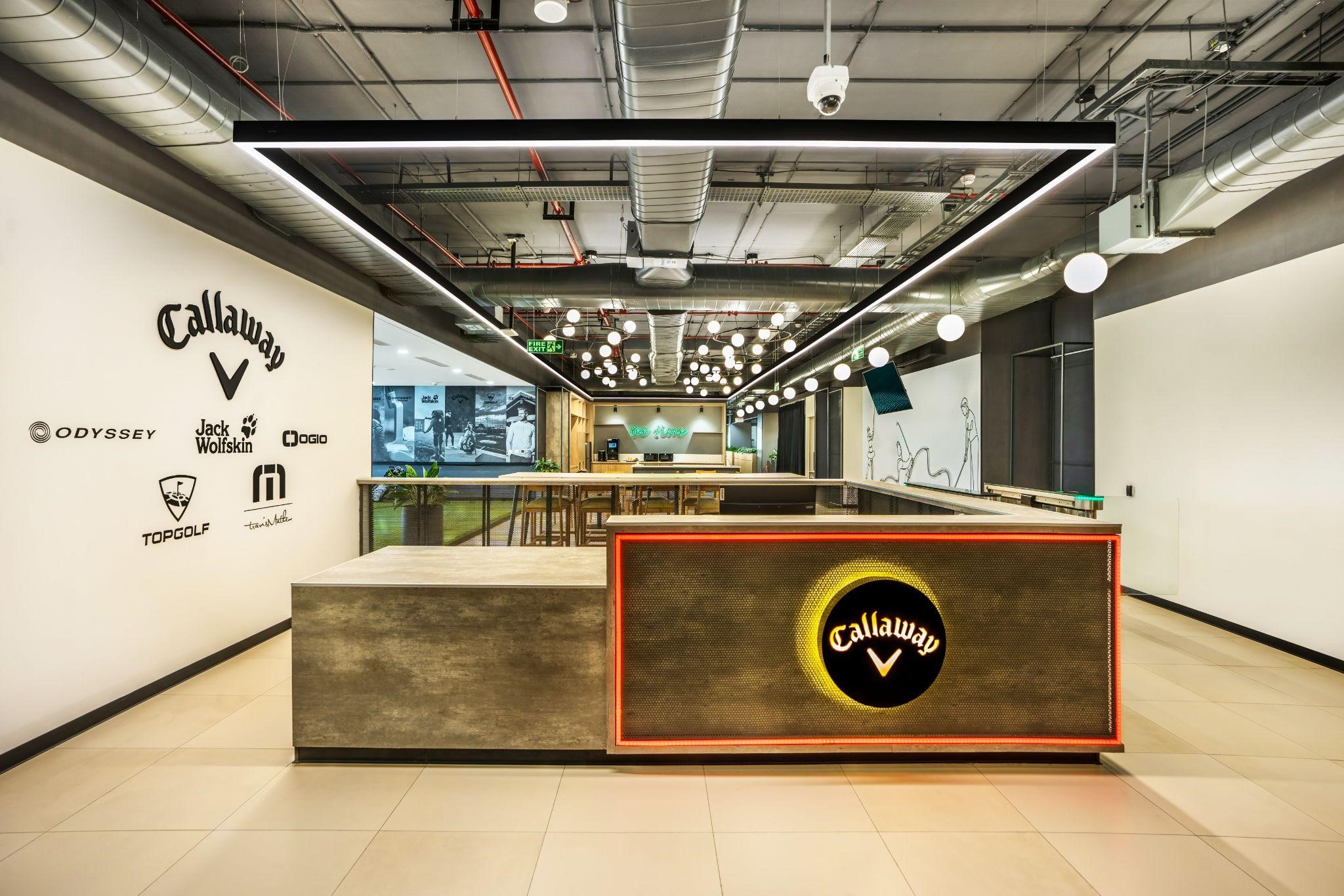
Among the firms leading workplace design within the GCC ecosystem is Zyeta, a design, strategy, and sustainability company operating across India and Southeast Asia. Zyeta’s diverse GCC client portfolio includes major players like Callaway Technologies, Digi-Key, Ecolab, SMC2, Elevate Global, and 7-Eleven. These collaborations highlight the strategic value of thoughtfully designed workplaces in enhancing talent retention, productivity, and the alignment of global and local brand identities.
Zyeta’s methodology integrates advanced design technology with strategic insights focused on human-centric development. The company utilizes digital tools such as BIM not only for design but also to optimize construction planning and waste management, maintaining compliance with stringent ESG frameworks. Their projects, including India’s first offices for several prominent global brands, exemplify a commitment to wellness and sustainability, garnering international recognition. For instance, the WELL and LEED Platinum-rated projects, including LinkedIn’s Bengaluru campus and a global pharmaceutical leader’s Hyderabad office, underscore this commitment.
Beyond workplace design, strategic partners are essential for the growth of the GCC ecosystem, managing the intricate processes of establishment and ongoing operations. One pivotal player is ANSR, which offers a “GCC-as-a-Service” model that supports multinational corporations throughout the entire GCC lifecycle—from strategic advisory and location selection to talent acquisition and operational management. Consulting firms like Deloitte and Zinnov also play significant roles in the expansion and success of GCCs.
Overall, GCCs in APAC, spearheaded by India, are evolving beyond traditional operational functions into centers of innovation and transformation. The design of these workplaces, bridging regional nuances and global standards, directly impacts their capacity to innovate, collaborate, and sustain a competitive advantage. The recent increase in GCC formations by APAC firms in India, coupled with advancements in workplace design standards, indicates robust, ongoing growth within this sector.
This article synthesizes insights from Deutsche Bank’s report “The rise of Global Capability Centres in APAC” (2024), along with recent industry and market research by ANSR, Nasscom, Deloitte India, and emerging workplace design trends from Zyeta, capturing data current as of mid-2025.