
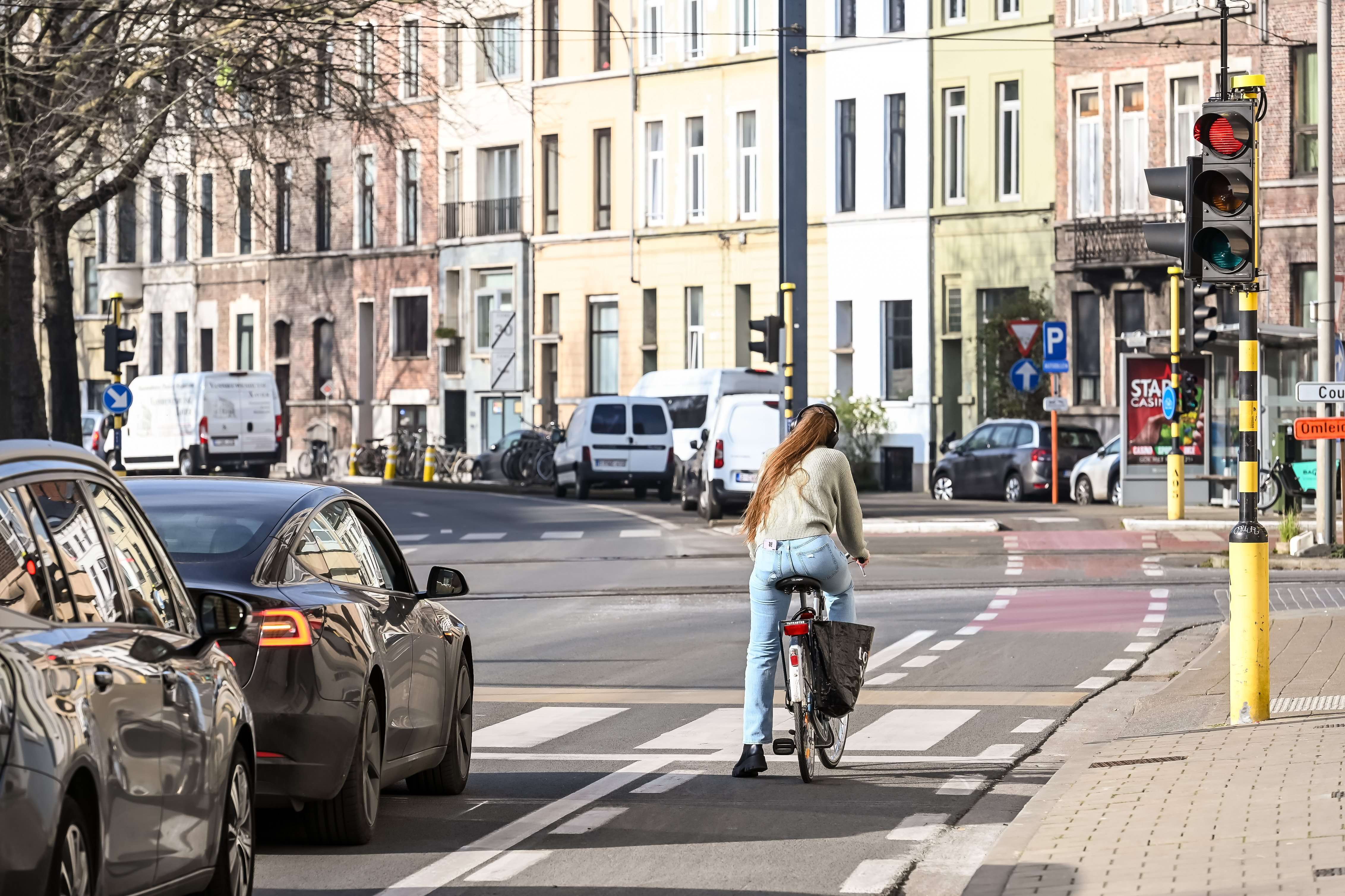
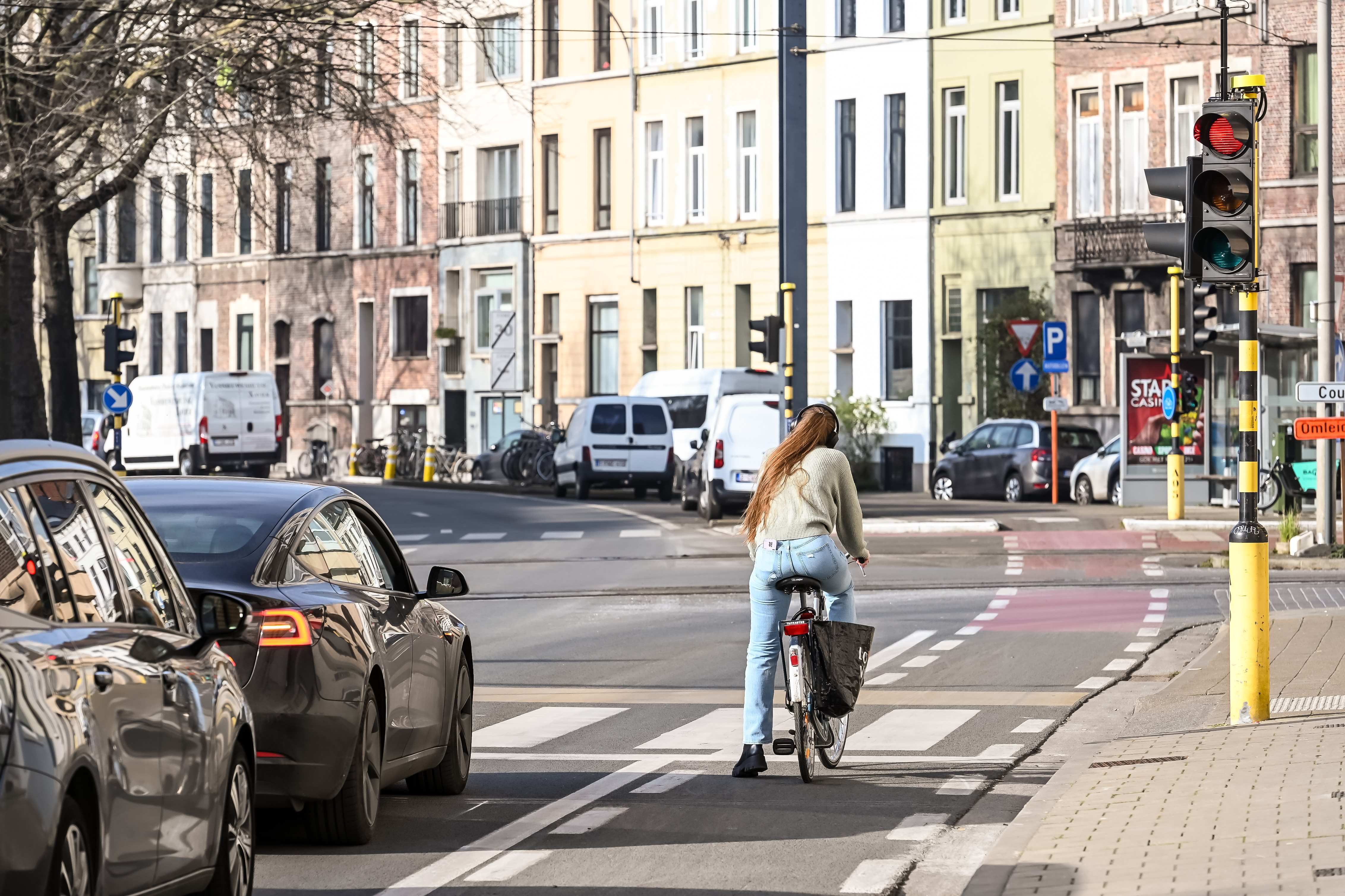
Noise pollution is increasingly recognized as an issue intertwining environmental concerns and social inequality; a recent citizen study titled “De Oorzaak” conducted by the University of Antwerp, UZA hospital, and newspaper De Morgen highlights that lower-income households experience significantly more disturbance from noise., reports 24brussels.
The research indicates that road traffic is the primary source of noise pollution, with cities like Antwerp, Ghent, and Leuven recording average noise levels that exceed recommended thresholds—60 decibels for average daytime noise and 50 decibels during the night. Professor Cedric Vuye from the University of Antwerp elaborates on these findings, underscoring the extent of the issue.
Furthermore, individuals exposed to elevated noise levels are at a greater risk of health complications, including sleep disorders and stress-related illnesses. Salivary analysis from a segment of the Antwerp participants illustrates that those with hyperacusis—a condition marked by sound sensitivity—exhibit higher cortisol levels, a key indicator of stress.
Conversely, the study noted a positive correlation between the perception of nature sounds and resident satisfaction with their living environments. Participants who reported noticing natural sounds expressed greater contentment, pointing to a crucial aspect of urban living.
“This confirms that investing in more green and quiet areas is not only ecologically or aesthetically valuable, but also contributes directly to health and well-being,” remarked researcher Jonas Lembrechts from the University of Antwerp.
The citizen study commenced in late 2023, with findings published nearly two years later. A total of 4,665 participants took part in a “Sound Walk,” while over 10,000 individuals completed the “Great Sound Survey.” Sound sensors collected data across 1,452 locations in Antwerp, Ghent, and Leuven over a six-week period. Additionally, close to 100 residents engaged in sleep and hearing research, and 128 individuals shared data from their smartwatches.