
🔴 Russia has significantly tightened security around Putin, with the president retreating to underground bunkers amid intensifying fears of assassination and drone attacks
European intelligence sources warn that Kremlin concern over a coup attempt has sharply intensified since…
— i24NEWS English (@i24NEWS_EN) May 4, 2026
⚡️«Важные истории» получили отчет разведки одной из стран Европейского союза о реальном положении дел в Кремле и состоянии Владимира Путина. Этот документ нам передал источник, близкий к спецслужбе, составившей отчет.
Полный текст документа ⬇️https://t.co/6HskBCNs4a
— Важные истории (@istories_media) May 4, 2026
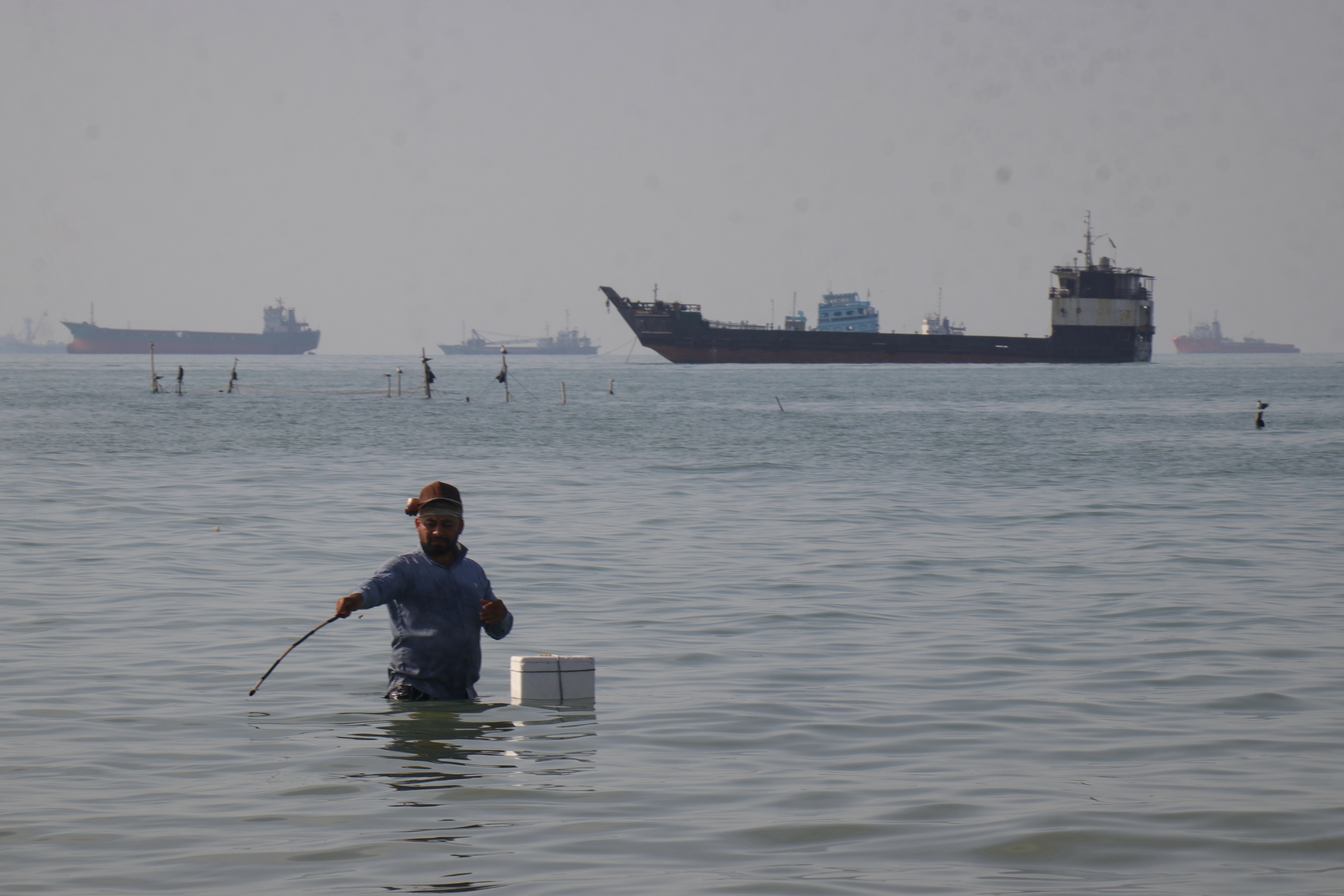
The United States will launch an effort on Monday to “guide” stranded ships from the Iran-gripped Strait of Hormuz, President Donald Trump said, as two ships around the strait reported attacks.

A spokesman for the former mayor of New York City said Mr. Giuliani was critical but stable.
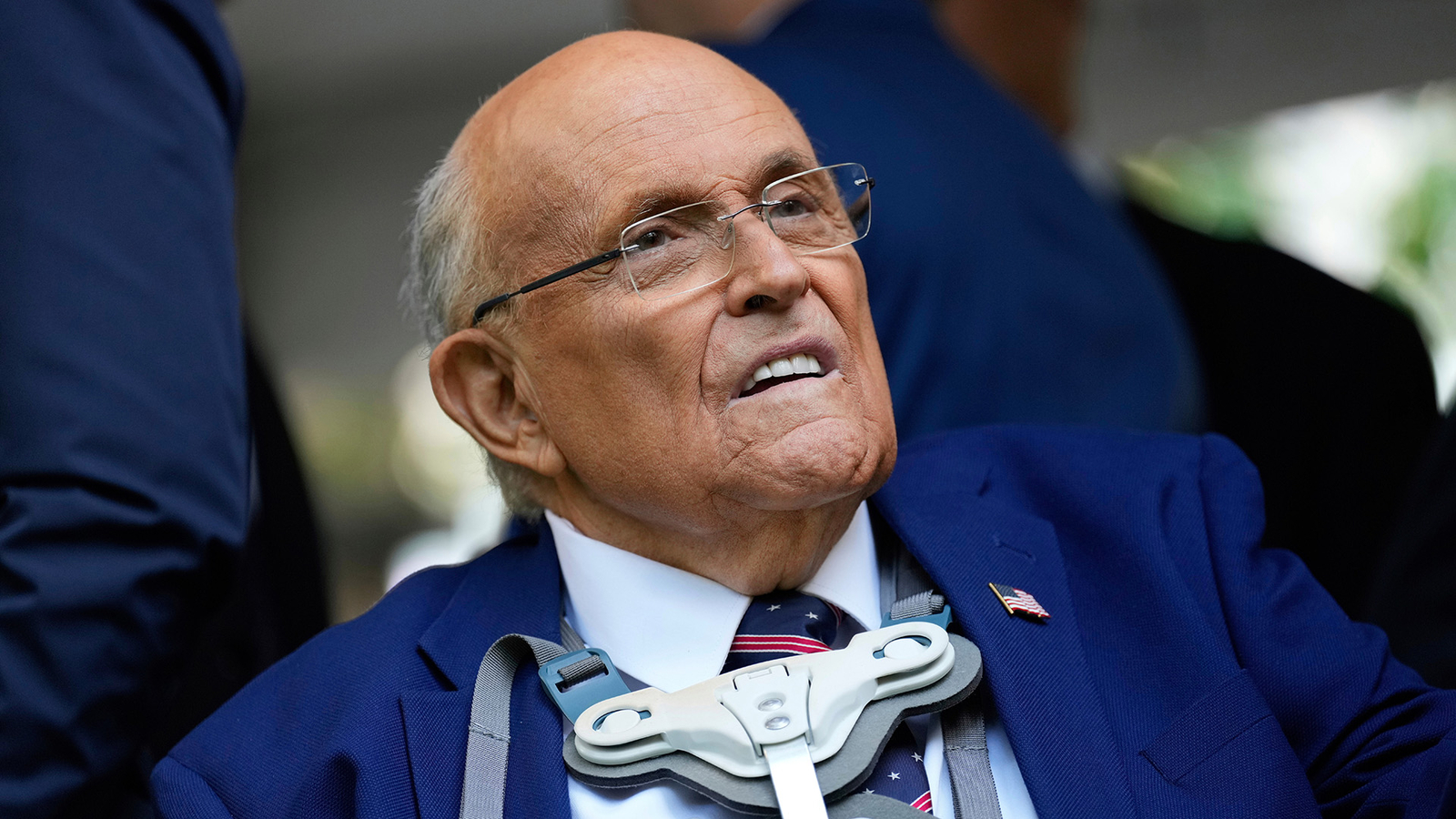
Former New York City Mayor Rudy Giuliani is hospitalized in critical condition, his spokesman said on Sunday.

President Donald Trump said on Sunday that the United States would begin an effort to free up ships stranded in the Strait of Hormuz on Monday morning.

German chancellor says criticism of Donald Trump’s strategy in Iran unrelated to troop withdrawal announcement.
#News Review and #Analysis
x.com/mikenov/status/2050978…
The #world is watching as geopolitical conflicts in Iran and Russia reach critical turning points, while back in the U.S., early polling suggests a challenging road ahead for the current administration in the 2026 midterms. From mystery weapons in Moscow to a complex stalemate in the Middle East, there is a lot on the horizon.Key Stories
Early 2026 midterms look tough for the GOP — Predictive analysis shows Democrats holding a 6 to 14 point lead on generic ballots as the 2026 midterms approach, serving as a major referendum on the Trump presidency.Iran conflict shifts to a war of attrition — After joint U.S.-Israeli strikes in February, Iran has consolidated power under Mojtaba Khamenei, leading to a strategic predicament involving naval blockades and economic sanctions.
Russia teases mystery weapon for Victory Day — Kremlin sources are hinting at the unveiling of their most powerful weapon yet during the May 9th parade, keeping western intelligence agencies on high alert.
Tucker Carlson describes Trumps supernatural aura — In a recent interview, Carlson claimed the former president has a supernatural effect on those around him that makes people obedient, comparing the experience to smoking hash.Michael Novakhov (@mikenov)Global Tension and Midterm Election Forecasts thenewsandtimes.blogspot.com…— https://x.com/mikenov/status/2050978189426516199
— Michael Novakhov (@mikenov) May 3, 2026
Global Tension and Midterm Election Forecasts thenewsandtimes.blogspot.com…
— Michael Novakhov (@mikenov) May 3, 2026
Global Crises and U.S. Midterm Elections gemini.google.com/share/d94c…
The global landscape in May 2026 presents a highly volatile matrix of overlapping crises. Assessing the trajectory of the conflicts in Ukraine and Iran alongside the impending U.S. midterm elections requires moving beyond static projections and continuously updating our baseline assumptions as new variables emerge on the board.By evaluating the structural incentives of the institutions involved and the distinct leadership profiles of the key actors, we can map the most probable trajectories for these three interconnected theaters.
I. The Ukraine Theater: Grinding Attrition and Escalation Vectors
The conflict in Ukraine has settled into a brutal, slow-moving war of attrition. While Russian forces continue to inch forward in the eastern Donetsk region—targeting fortress cities like Kostiantynivka—the cost has been historically unprecedented, with combined casualty estimates projecting toward 2 million by the end of the year.
Evaluating the competing hypotheses for how this resolves in 2026 suggests that a definitive peace settlement remains highly improbable.
The Escalation Paradigm: Russia has recently escalated the strategic threat landscape by deploying Oreshnik intermediate-range missiles near NATO borders and integrating an estimated 14,000 North Korean troops into its operations in the Kursk region.
The “Limbo” Hypothesis: Rather than a formal ceasefire, the conflict is increasingly likely to enter a state of “limbo”—a continuous cycle of localized offensives and deep strikes. Ukrainian forces are successfully projecting power deep into Russian territory, targeting refineries and defense infrastructure, effectively forcing the “Iranization” of the Russian war economy.
Leadership Calculus: The political personology driving Moscow indicates that President Putin has no structural incentive to freeze the conflict while he perceives a marginal tactical advantage. Conversely, despite immense societal exhaustion, the Ukrainian state apparatus remains resilient, making territorial concessions politically toxic.
II. The U.S.-Iran Conflict: The Dual Blockade and Transactional DiplomacyThe direct military confrontation that erupted in late February 2026 between the U.S., Israel, and Iran represents a fundamental shift in Middle Eastern security architecture. Following initial strikes and severe economic disruption, the conflict currently sits in a fragile stalemate brokered by Pakistan.
The Strategic Chokepoint: The theater is defined by a standoff of economic attrition. A “dual blockade” is currently in effect: the U.S. Navy is blockading Iranian ports, while Iran maintains a closure of the Strait of Hormuz, severely disrupting global trade.
Statecraft and Negotiation Dynamics: Iran recently submitted a 14-point peace proposal, which the U.S. administration has met with skepticism. Evaluating the decision-making patterns of the current U.S. executive suggests a highly transactional approach to statecraft. The administration has explicitly stated dissatisfaction with the current terms, indicating a willingness to apply maximum pressure rather than accept an immediate, compromised off-ramp.
The Iranian Strategy of “Imposed Costs”: Iranian military leadership has telegraphed a strategy centered on strategic patience. By absorbing military damage while imposing severe macroeconomic costs on the West—via disrupted energy markets and regional proxy mobilization—Tehran is attempting to alter Washington’s risk calculus.
If the Islamabad-brokered diplomatic channel collapses, a resumption of high-intensity strikes is the most probable outcome.III. The 2026 U.S. Midterm Elections: A Referendum on Unified Government
The foreign policy volatility is occurring against the backdrop of a highly competitive domestic electoral cycle. The Republicans currently hold a narrow trifecta, but historical indicators heavily favor a structural shift.
ChamberCurrent LandscapePredictive Outlook (Nov 2026)The HouseSlim Republican majority. Record number of GOP retirements (over 35 as of March).High Probability of Flipping. Democrats require a net gain of only three seats. Historical gravity heavily favors the opposition party reclaiming the gavel.The Senate53-47 Republican advantage. Highly competitive battleground map.Toss-Up / Lean Hold. Democrats face a steeper climb, requiring a net gain of four seats. The chamber’s control will likely hinge on a handful of razor-thin margins.State LegislaturesUnprecedented mid-decade redistricting in key states.High Volatility. States like Wisconsin, Arizona, and Pennsylvania are prime battlegrounds where trifecta control could easily shift.
The Intersection of Domestic and Foreign Policy: A divided government beginning in 2027 would fundamentally alter the current administration’s operational bandwidth. If the House flips, the administration will face intense legislative gridlock and heightened oversight. This dynamic typically forces an executive to pivot heavily toward foreign policy and unilateral executive action, potentially accelerating the use of aggressive, transactional diplomacy in both Eastern Europe and the Middle East to secure legacy-defining geopolitical victories.
Given the interplay between the economic fallout of the Strait of Hormuz closure and domestic voter sentiment heading into November, would you like to drill down into the predictive modeling of how shifting energy markets might specifically impact the battleground congressional districts?— Michael Novakhov (@mikenov) May 3, 2026