
US #Counterintelligence #CIA #FBI
share.google/aimode/GZi4sJ58…
US counterintelligence is currently deemed dysfunctional and inefficient due to fractured, myopic efforts, inadequate threat coverage (less than 10% of high-priority targets), and slow, bureaucratic processes. The SECURE Act aims to modernize this by shifting to an offensive mindset, enhancing interagency collaboration, and ensuring proactive technology adoption. [1, 2, 3] – AI OverviewProblems with US Counterintelligence
Fractured and Non-Strategic: Efforts are decentralized and often fail to adopt a comprehensive, nation-wide strategic view against adversaries, operating with little coordination among agency components.
Inefficient Personnel & Processes: Background investigations and security checks are slow, with backlogs in the thousands, and procedures for sharing intelligence are often cumbersome and delayed.
Failed Security Controls: Mismanagement of classified documents and weak monitoring of foreign personnel and intellectual property allow for easy penetration.
Lack of Offensive Action: There is a heavy reliance on defensive postures, with insufficient efforts to take the fight to the adversary, leaving many foreign intelligence activities in the US unchallenged.
Insider Threats: Insufficient focus on detecting and preventing insider threats, coupled with a lack of consistent “continuous evaluation” of cleared personnel. [1, 4, 5, 6, 7, 8]How the SECURE Act Addresses These Issues
Offensive Strategy: The Act encourages a proactive approach that enables counterintelligence to control adversary perceptions and prevent threats, rather than just reacting to them.
Centralized Coordination: It focuses on bridging the gap between various intelligence services and Law Enforcement (LE), improving collaboration between the FBI and CIA.
Modernization: It pushes for the adoption of new technologies to handle cyber threats and sophisticated foreign operations.
Enhanced Security Oversight: It reinforces the need for strict, modernized control over classified documents and cybersecurity practices, addressing past failures in security management.
Personnel Security Reform: The act works towards tackling the slow clearance processes by reforming the personnel security system. [3, 4, 5, 9, 10]AI responses may include mistakes.
[1] oig.justice.gov/sites/defaul…
[2] intelligence.house.gov/2025/…
[3] thehill.com/opinion/national…
[4] govinfo.gov/content/pkg/GPO-…
[5] sgp.fas.org/library/pfiab/fi…
[6] justsecurity.org/117927/real…
[7] dni.gov/files/NCSC/documents…
[8] ieeexplore.ieee.org/document…
[9] avalon.law.yale.edu/21st_cen…
[10] amuedge.com/training-police-…Pic.: google.com/search?num=10&new…
— Michael Novakhov (@mikenov) Apr 6, 2026
Category: Selected Articles
Category Added in a WPeMatico Campaign
The Analysis of the problems with the US Counterintelligence (it is dysfunctional and inefficient) and how the Secure Act intends to address them – Google Search google.com/search?q=The+Anal…
— Michael Novakhov (@mikenov) Apr 6, 2026

Iran and the United States have received a plan to end hostilities that could come into effect on Monday and reopen the Strait of Hormuz, a source aware of the proposals said on Monday.

Bing Crosby, a legendary entertainer, considered himself a light comedian. This quote reveals his humility and self-awareness. Crosby’s career spanned music, film, and radio. He sold millions of records and won an Academy Award. His relaxed style influenced many artists. Crosby’s legacy is one of effortless greatness and enduring appeal.
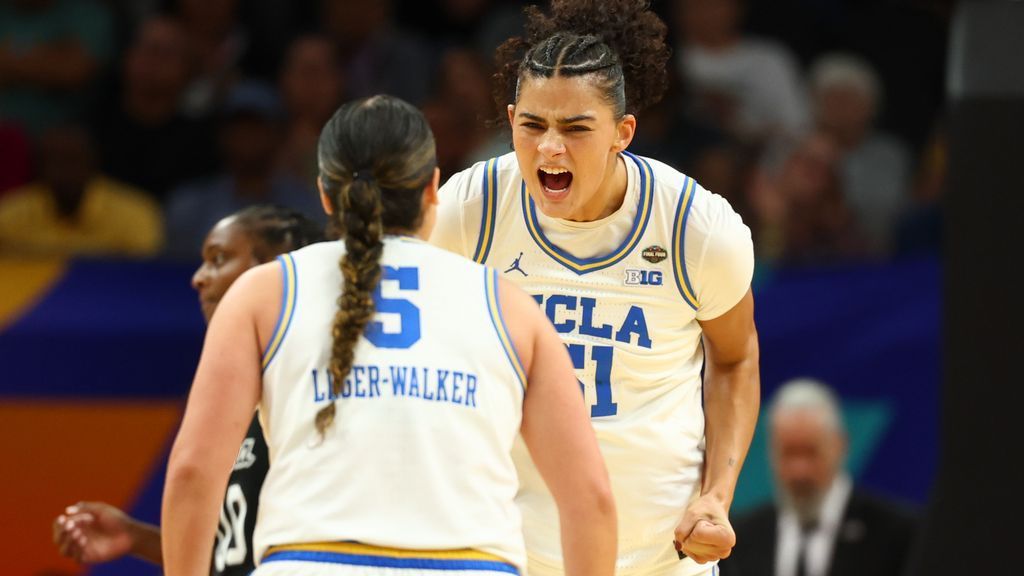
UCLA dominated every phase of the game in Sunday’s women’s national final, blowing out the Gamecocks for Bruins coach Cori Close’s first championship.
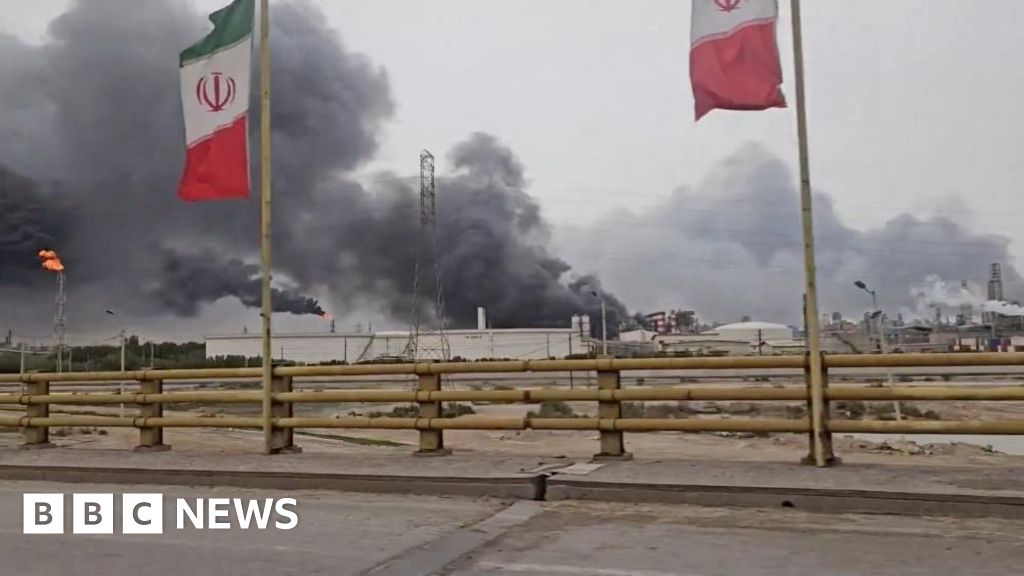
The US president says he will destroy Iranian power plants and bridges if the vital waterway is not reopened.

The president said he would bomb Iran “back to the Stone Ages.” Until this administration, American leaders had insisted they were trying to follow international law in war.
share.google/aimode/CQueX0Fv…
Lawmakers are advancing the SECURE Act (Strategy for Executive-led Counterintelligence and Unified Reform) to transition U.S. counterintelligence from a reactive, law-enforcement-centric model to a proactive and unified offensive posture. Introduced by House Intelligence Committee Chairman Rick Crawford, the bill is a central component of the FY2026 Intelligence Authorization Act (IAA). [1, 2, 3, 4]
Key Objectives of the SECURE Act
The legislation aims to address critical vulnerabilities that experts warn could lead to a “9/11-scale intelligence failure” if left unaddressed. [1]Offensive Mandate: Redefines the legal definition of counterintelligence from merely “protecting” to a mandate to “deter, disrupt, investigate, and exploit” foreign intelligence operations.
Unified Leadership: Empowers a newly created Director of Counterintelligence with the authority to direct and compel cooperation between various services, moving beyond simple coordination to close exploitable “seams” in the system.
Strategic Targeting: Specifically reorients resources toward countering “great power adversaries” (such as Russia and China) by using deception and other tools to neutralize state-sponsored networks.
Congressional Transparency: Requires the FBI to notify Congress when initiating counterintelligence investigations into federal officeholders or candidates. [2, 3, 4, 5]Current Legislative Status
House Progress: The House Permanent Select Committee on Intelligence passed the FY2026 IAA, including the SECURE Act provisions, in September 2025.
Broader Reform Context: This effort coincides with intense debates over the April 2026 expiration of FISA Section 702, with some lawmakers pushing for stricter warrant requirements alongside these structural counterintelligence reforms. [3, 6, 7, 8, 9]Would you like to see how these new counterintelligence powers might interact with the upcoming FISA Section 702 reauthorization?
[1] intelligence.house.gov
[2] intelligence.house.gov
[3] intelligence.house.gov
[4] intelligence.house.gov
[5] thehill.com
[6] brennancenter.org
[7] intelligence.house.gov
[8] biggs.house.gov
[9] justsecurity.org— Michael Novakhov (@mikenov) Apr 5, 2026