
Witnesses said the plane crash involved a Tejas.
Day: November 21, 2025
Plane crashes during a demonstration at the Dubai Air Show [deltaMinutes] mins ago Now
Kansas City Chiefs coach Dave Toub responded to Trump’s criticism of the NFL’s kickoff rule in a clip that quickly went viral.
sakchai vongsasiripat/Getty Images
- Goldman Sachs says that trillions of private wealth assets are eager to invest in hedge funds.
- Hedge funds long favored pensions and endowments over private wealth.
- With institutions tied up in illiquid private funds, the wealthy could be hedge funds’ new fundraising focus.
The $5 trillion hedge fund industry is backed by some of the biggest pools of money in the world — pensions, endowments, and sovereign wealth funds.
But those big-name institutions are facing a cash crunch thanks to capital tied up in illiquid private equity and venture funds. For hedge funds looking to grow, there are trillions of dollars outside the institutions wanting in on the action, according to Goldman Sachs.
Private wealth — which refers to money held on platforms run by the private banking divisions of places like Goldman as well as wealth advice giants like Merrill Lynch, independent advisors, and family offices — is eager to invest in hedge funds and has plenty of capital to put to work.
Goldman’s report estimates that less than $500 billion of the $50.7 trillion of private wealth assets are in hedge funds. If this segment of capital followed the recommendation of chief investment officers from these platforms and family offices for hedge fund exposure, there would be more than $4 trillion in hedge fund investments — close to the industry’s total assets.
“Even closing 10% of this gap would double the current assets” that private wealth has in hedge funds, Goldman’s report states.
There have been big-name managers that have already tapped this space. Millennium has sold LP stakes in its flagship fund via private bank advisors and offered a piece of its business to wealthy clients of banks like Goldman, Morgan Stanley, and UBS. Jain Global tapped the private wealth channel for capital before launching in mid-2024. Coatue and Tiger Global count platforms like JPMorgan’s private bank as investors.
The channel is hungriest for more hedge fund exposure, according to Goldman’s report. A survey done by the bank’s capital introduction team found that 68% of private bank advisors and RIAs wanted to increase their hedge fund bets this year, while only 4% intended to cut them. Meanwhile, only 31% of pension and insurance investors wanted to put more into hedge funds. For endowments, foundations, and sovereign wealth funds, it was even worse — 30% wanted to increase hedge fund exposure while 14% wanted less.
Hedge funds thrive in chaos
For years, private wealth managers shunned hedge funds, which were perceived to have high fees and middling performance.
But choppy markets and higher interest rates since the pandemic have led to an “improved image” of the industry in the eyes of the rich and their advisors, Goldman’s report states.
It helps that firms have made money too: Goldman notes that the average fund has returned 9.4% annually from 2020 through June of 2025, while a 60/40 stocks-bonds portfolio was up only 6.6% annually over the same period.
The question for managers is, where do all these assets go? The industry is as big as it has ever been, and plenty of well-known firms are closed to new capital or returning money to investors to avoid becoming too bloated. Marshall Wace is the latest, according to Bloomberg, with plans to give $3.1 billion back to investors in its two largest funds.
The firms that have become the largest in the industry are the multistrategy behemoths that now have headcounts in the thousands and teams based around the world. These managers, especially those with established track records, such as Millennium, Citadel, and Point72, are often able to raise assets quickly but are constrained by a lack of talent.
Still, for funds seeking capital and willing to hire fundraisers focused on the needs of the private wealth channel, there are trillions of dollars available for the taking.
“The wealth segment offers both a new frontier and a formidable — but surmountable — challenge for managers. Those who invest in understanding the landscape, building the right capabilities, and fostering long-term relationships will be best positioned to capture this wave of growth,” Goldman’s report reads.
Read the original article on Business Insider
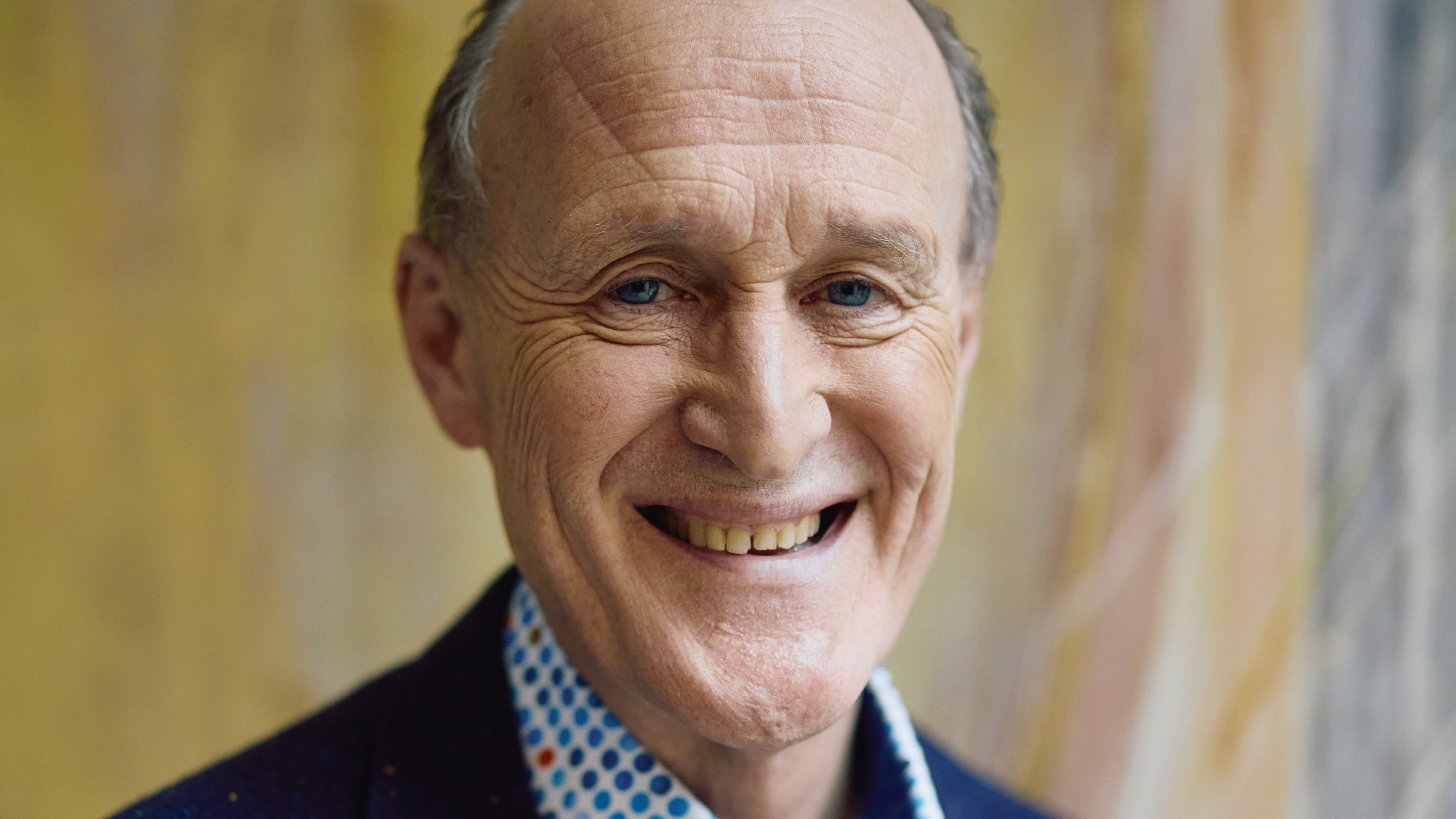
Acamar Films, producer of animated series Bing, has appointed industry veteran and entrepreneur Sir Peter Bazalgette as chairman as the UK indie targets its next phase of growth.
Iran rejects UN atomic agency’s resolution and threatens more reprisal actions [deltaMinutes] mins ago Now
Miss Mexico’s win comes just weeks after she was publicly scolded by a pageant executive.
Video on social media shows Mexican marines purportedly removing U.S. signs placed at Playa Bagdad in northeast Mexico.
Courtesy of Deep Shah
- Deep Shah has been a Google employee since 2018.
- Support from mentors and peers helped him transition from India to the US at Google.
- Having a clear agenda with mentors maximizes learning and growth in tech and AI careers.
This as-told-to essay is based on a conversation with Deep Shah, a 30-year-old senior software engineer at Google, based in Mountain View, CA. The following has been edited for length and clarity.
Since I joined Google in 2018, it has been amazing to see the impact I’ve had.
I started at Google Bangalore in India, where I was part of a team using machine learning and AI on Google Maps. After spending a few years there, I moved to the US in 2021 to work at the Google Mountain View location in California.
I’ve been at Google Mountain View for around four years, and over my career, I’ve learned that mentors are one of the greatest things to have. Good mentors have changed the way I approach problems and have impacted the engineer I’ve become.
Older peers became my first mentors
Growing up, I played computer games a lot and wanted to develop my own games. That was the main reason that I chose computer engineering in the first place.
I also learned through conversations with peers older than me, who were already working on their bachelor’s. They told me this field involves a lot of logical reasoning and automating machines to do things on my behalf, which was very intriguing.
During my bachelor’s, I became involved in competitive computer programming. That helped me get reach-outs from leading tech companies in India, and was one of the main reasons I got my first job.
A friend helped me decide to pursue a role at Google
At my first job out of school, I was part of an AI and machine learning team that helped advertising clients. During that time, I learned a lot of the fundamentals about how AI and machine learning work.
I was there for almost a year and a half, and then I had the opportunity to apply for a position with Google. Fortunately, I also had a friend who worked at Google, so I was able to talk to him and ask whether it would be a good fit for me.
After talking to him, I was convinced that Google could be the right place for me. I went through a standard Big Tech interview process, and then I landed my job at Google.
My network helped me transition from India to the US
Moving to the US was a big transition, but I wanted to be involved in improving the way users use Google search. The team working on that project was based in Mountain View, and my skill set was a very good match, so I decided to relocate here in 2021.
Google India has a culture very similar to that of Google US, making for a smooth transition. Outside work, I needed to get used to a lot of different things. Searching for housing is very different here, and so is setting up healthcare. I also had to get a car.
However, I had a couple of more senior peers and friends here who were able to guide me through these transitional things, which I was very thankful for.
Mentorship can determine what kind of engineer you are
I’ve been fortunate to have had a lot of great mentors throughout my career, as well as in my undergrad, who actually supported me and gave me good ideas.
College students should try to be involved with a professor or someone who can give them exposure to any machine learning or AI problems that they’re excited about, no matter how small or large.
You can always start small, but as time passes, more and more things will naturally become attached to a project, and your ownership and confidence with it will evolve. That will also be a great addition to your résumé, demonstrating that you already possess the skills and experience required to succeed in a working environment.
Having a clear agenda with your mentor makes a big difference
My mentors taught me how to navigate organizational dynamics and influence stakeholders — skills that are rarely learned just by doing the core work.
It should be very clear what specific things you’d like to use your mentor for, and I recommend having a proper agenda to go over together. It helps them give you the right advice, and you can have clearer expectations.
Each mentor will teach you different things, and the person doesn’t necessarily need to be a professor. They could be an alumnus or someone who’s more senior at your college. It doesn’t matter how you find them, but they should be someone who you think is a good role model.
Do you have a story to share about mentorship in Big Tech? Contact this reporter, Agnes Applegate, at aapplegate@businessinsider.com.
Read the original article on Business Insider
Netanyahu meets with his cabinet to discuss rising Israeli settler violence in the West Bank [deltaMinutes] mins ago Now